
Finance options

What's available, in plain words.

Nine kinds of business finance we arrange for UK companies. Here's what each one is and what businesses commonly use it for.

These are general descriptions. Which one suits your business depends on your circumstances, and that's what the conversation is for. [Wording to be confirmed before launch.]

01

Asset finance

Two new white panel vans parked on a yard under a clear sky

Asset finance spreads the cost of vehicles, machinery and equipment over regular payments, rather than paying the full amount on day one. The asset itself usually acts as security for the agreement, which keeps working capital free for the rest of the business.

Two structures come up most. With hire purchase, payments are fixed and the business owns the asset once the final instalment is settled. With a finance lease, the business has full use of the asset for its working life, then chooses whether to hand it back, carry on leasing or sell it on.

Commonly financed: Vans & HGVsPlant & machineryProduction equipmentIT & softwareFit-outs
Ask about asset finance

02

Asset refinance

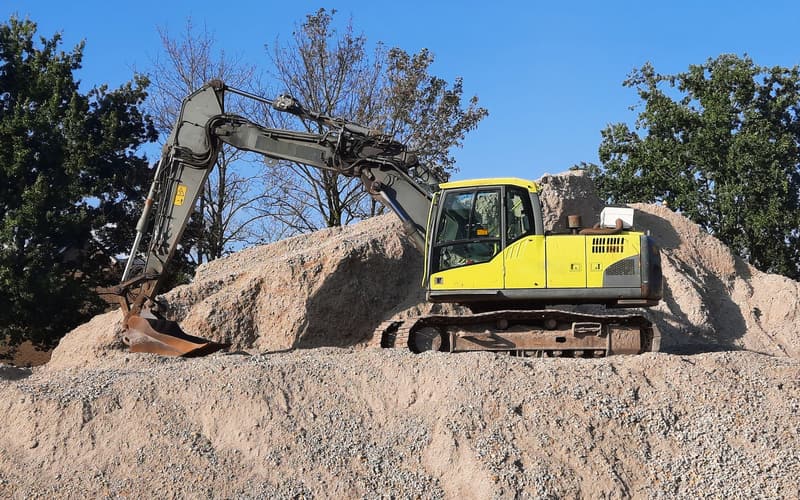
A tracked excavator standing on a mound of aggregate against blue sky

Refinance releases cash from equipment a business already owns. A lump sum is advanced against the current value of the kit, and the business keeps using it day to day throughout the agreement. Once the repayments finish, ownership sits back with the business.

The advance reflects what the asset is worth now, not what was paid for it. Businesses use it to smooth a seasonal dip, settle a final balloon payment, tidy up existing borrowing or fund the next purchase without disturbing their bank arrangements.

Commonly used for: Seasonal cash flowSettling balloon paymentsConsolidating agreementsFunding the next purchase

Ask about asset refinance

03

Business loans

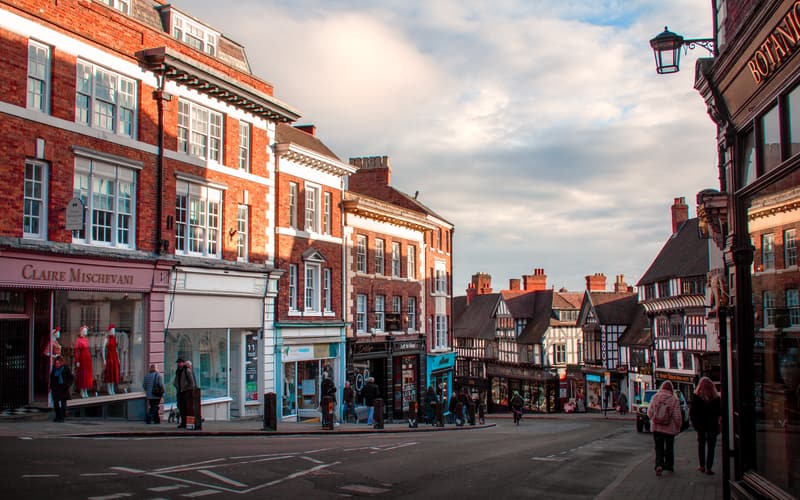
Independent shops along a red-brick and timber-framed British high street

A business loan is a single lump sum repaid over an agreed term in set instalments. Unsecured loans rest on the strength of the business itself, and lenders often ask for a director's guarantee. Secured loans are backed by property or other assets, which tends to open up larger amounts.

Loans usually sit alongside existing bank facilities rather than replacing them. Terms run from a few months to several years, shaped by what the money is for and how the business trades.

Commonly used for: Working capitalStockRefurbishmentRecruitmentBuy-outs

Ask about business loans

04

Invoice finance

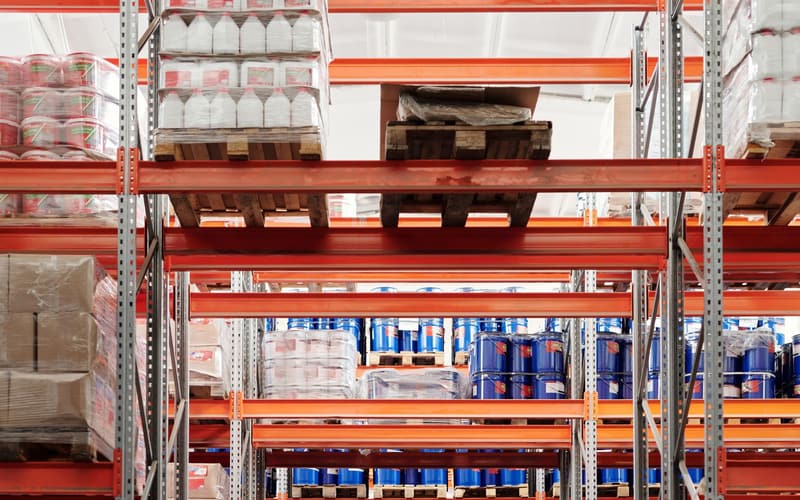
Pallets of stock on orange racking in a bright, orderly warehouse

Invoice finance advances money against invoices that have been raised but not yet paid, closing the gap between finishing the work and the customer settling up. Because the facility follows the sales ledger, it grows as turnover grows.

Factoring includes credit control, with the funder chasing payment on your behalf. Invoice discounting leaves collections with the business. Under a confidential facility, customers deal with you exactly as they always have.

Commonly used for: Long debtor termsFast-growing turnoverPayrollConfidential facilities

Ask about invoice finance

05

Merchant cash advance

The counter of a small independent shop with a card terminal and refill jars

A merchant cash advance is built for businesses that take card payments. The advance is repaid as an agreed percentage of card takings, so repayments rise and fall with trade rather than landing as a fixed bill each month.

Quiet weeks cost less. Busy weeks clear the balance sooner. That rhythm suits shops, restaurants, salons and anyone else whose income moves with the seasons.

Commonly used for: RefitsStockMarketingEquipmentQuiet-season cover

Ask about merchant cash advance

06

Commercial mortgages

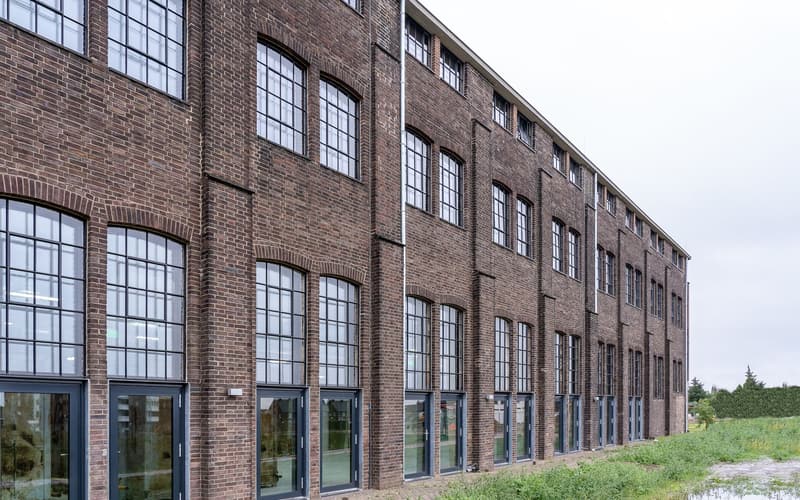
A converted brick mill building with tall arched windows in commercial use

A commercial mortgage is longer-term borrowing secured on business premises or land, repaid monthly in much the same way as a residential mortgage.

Owner-occupiers use them to buy their own building instead of renting. Investors use them for property let to business tenants, and refinancing an existing commercial loan onto better terms is common. Some directors also explore holding premises through a pension, via a SIPP or SSAS, with their own advisers.

Commonly used for: Owner-occupied premisesInvestment propertyRefinancingPension-held property

Ask about commercial mortgages

07

Development & bridging finance

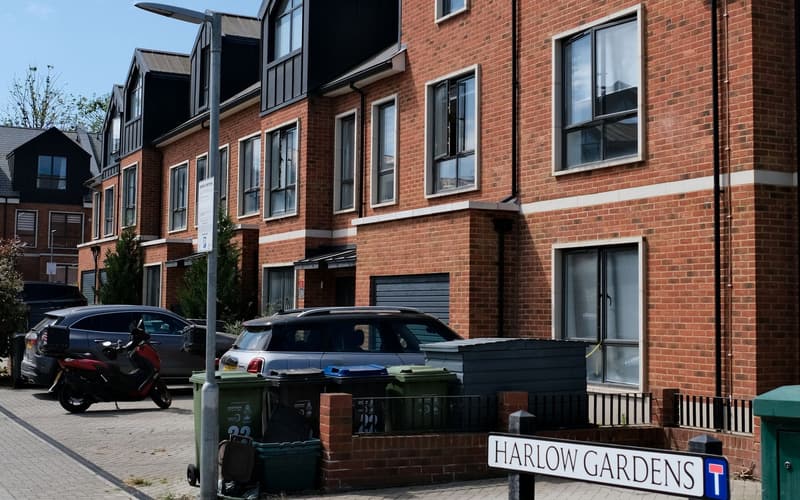
Newly built brick houses on a UK residential street

Bridging finance covers a short gap: buying a property before another is sold, or funding a refurbishment before a longer-term facility takes over. Terms are usually measured in months and secured on the property itself.

Development finance funds ground-up builds and heavier refurbishment programmes. Both are planned around a defined exit, either a sale or a refinance, agreed before the facility starts.

Commonly used for: Auction purchasesRefurbishmentGround-up developmentChain breaks

Ask about development & bridging

08

Structured finance

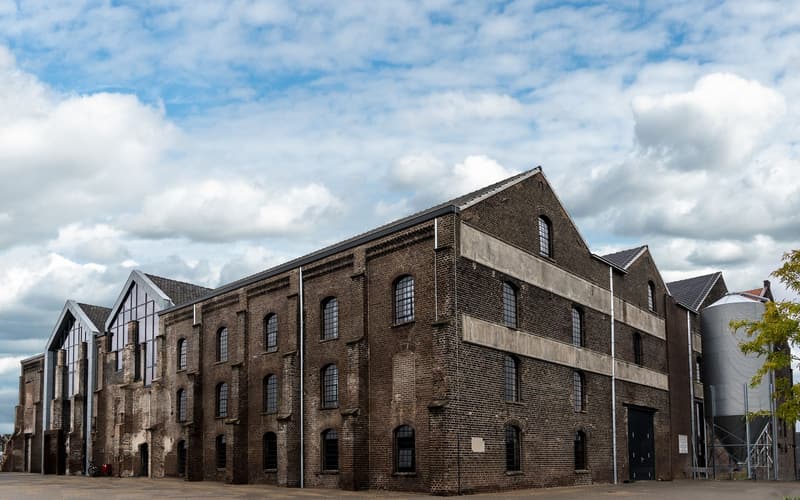
A complex of old brick warehouse buildings under a bright cloudy sky

Some requirements don't fit one product. Structured finance combines several facilities, sometimes from different funders, into a single package: asset finance alongside invoice finance and a loan, for example, each doing the job it's best at.

It's the usual route for acquisitions, management buy-outs and buy-ins, employee ownership transitions, and larger refinancing or restructuring projects where a single facility won't stretch across every moving part.

Commonly used for: AcquisitionsMBOs & MBIsEmployee ownership trustsRestructuring

Ask about structured finance

09

Trade finance

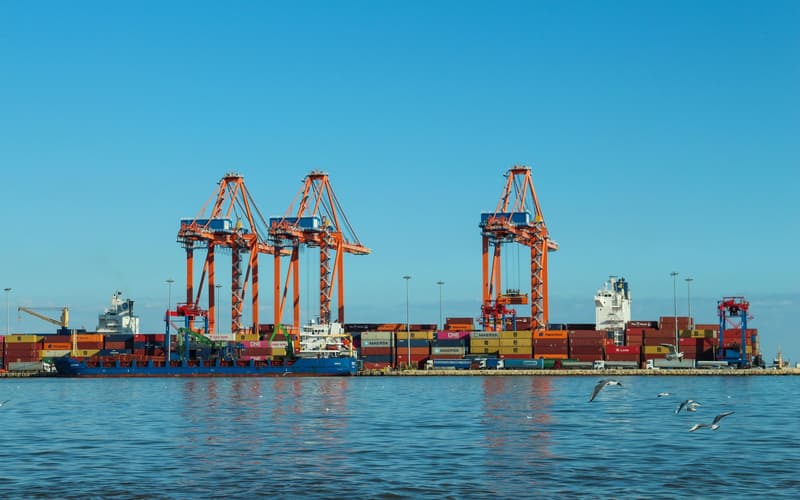
Container cranes and stacked shipping containers at a port quayside

Trade finance pays suppliers so an order can be fulfilled before the cash from selling it has arrived. It's used by importers, exporters and any business that has landed a contract bigger than its working capital can comfortably carry.

The point is simple: the size of the order, not the size of the bank balance, decides whether you can take it on.

Commonly used for: Importing stockLarge ordersNew marketsSupplier payments

Ask about trade finance

Not sure which fits?

That's normal, and it's exactly what the conversation is for. Tell us what you're trying to do and we'll work out which of these fits.